
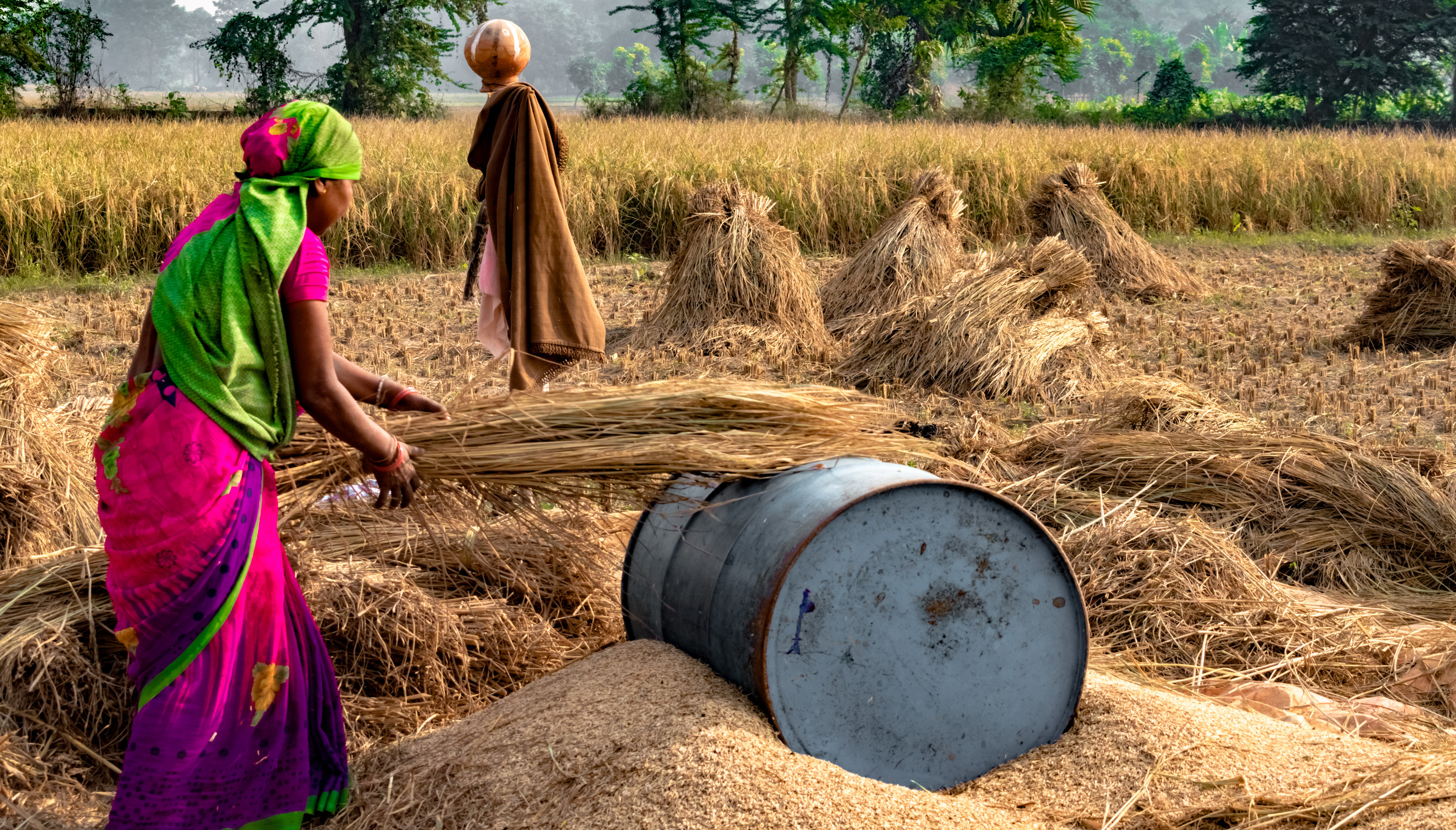
The Unsung Heroes of the Field: The Role of Women in Agriculture
When we think about agriculture, the image that often comes to mind is that of a man behind a plow or a farmer on a tractor. But the reality is far more complex—and much more feminine. Across the globe, women are at the heart of agriculture. They are farmers, laborers, entrepreneurs, caretakers, and innovators. Yet, their contributions often go unseen and undervalued.
Women Feed the World
Women make up a large portion of the agricultural workforce—especially in developing countries. In regions like sub-Saharan Africa and South Asia, women account for up to 60% of farm labor. From planting and weeding to harvesting and processing, women are deeply involved in every stage of food production.
They are also central to food security at the household level. Women typically grow and manage food crops and small livestock that sustain families and local communities. They ensure that meals are on the table—even in times of hardship.
More Than Just Labor
Women in agriculture don’t just work the land—they manage it. They conserve seeds, protect soil fertility, and adapt to changing climate conditions with resourceful, often indigenous knowledge. They run small farms, engage in local markets, and lead community cooperatives.
In many developing countries, when men migrate to cities for work, women become the de facto heads of rural households, taking on full responsibility for the farm and family.
Barriers Still in the Way
Despite their importance, women farmers face significant challenges:
-
Limited access to land: In many places, laws or cultural norms prevent women from owning or inheriting land.
-
Fewer resources: Women often lack access to credit, quality seeds, fertilizers, tools, and training.
-
Overlooked by policy: Agricultural programs and extension services frequently target men, ignoring the specific needs of women.
-
Double burden: Women juggle farm work with household responsibilities—cooking, cleaning, and caring for children and elders.
Why Empowering Women Matters
When women have equal access to agricultural resources, the results are powerful. The FAO estimates that giving women the same tools and resources as men could increase farm yields by up to 30% and lift up to 150 million people out of hunger.
Empowered women farmers invest more in their families’ nutrition, education, and health. They strengthen rural economies and contribute to community resilience, especially in the face of climate change.
Towards a More Inclusive Future
To build a sustainable and food-secure future, we must break the barriers women face in agriculture. That means:
-
Ensuring women have legal rights to own and inherit land.
-
Designing gender-responsive agricultural policies and programs.
-
Providing access to credit, technology, and markets tailored to women farmers.
-
Recognizing and valuing women’s knowledge and labor—not just as a support role, but as central to farming success.
Final Thoughts
Women in agriculture are not just helpers—they are leaders, innovators, and key players in feeding the world. It's time their role is not only recognized but celebrated and supported.
Let’s give credit where it's long overdue—because the future of farming is female.
